

What Is The Most Reliable Pool Pump?
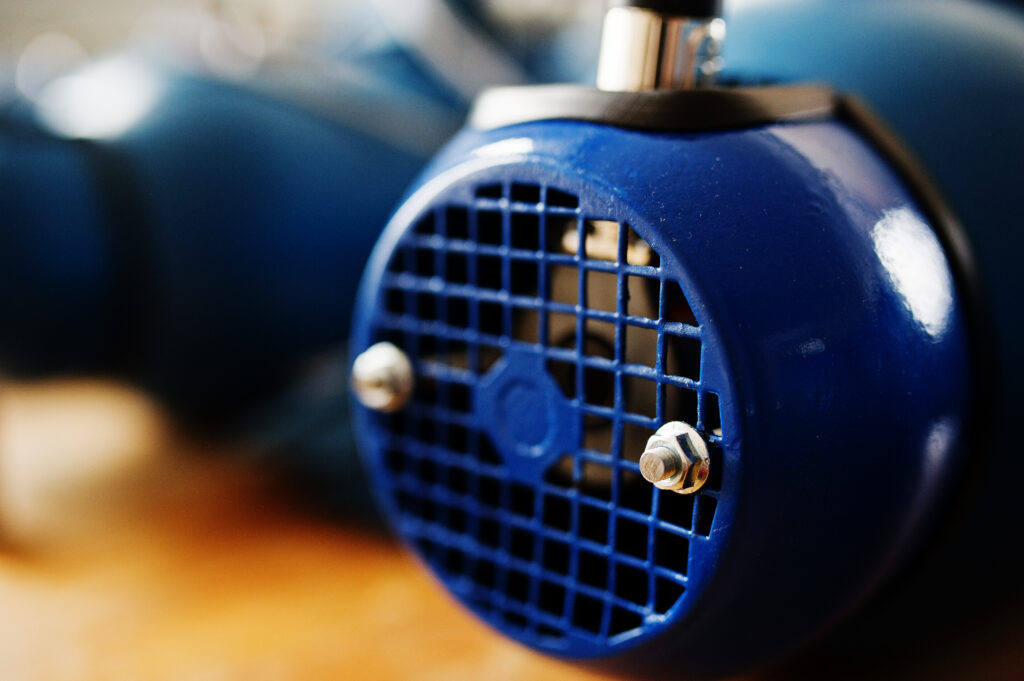
What is the most reliable pool pump? There is no single pool pump that is most reliable for every installation. Established variable-speed models from manufacturers such as Pentair and Hayward are often dependable, but long-term reliability also depends on correct sizing, plumbing and automation compatibility, professional installation, and routine maintenance. The best choice is the […]
Will Two Hoses Fill A Pool Faster?
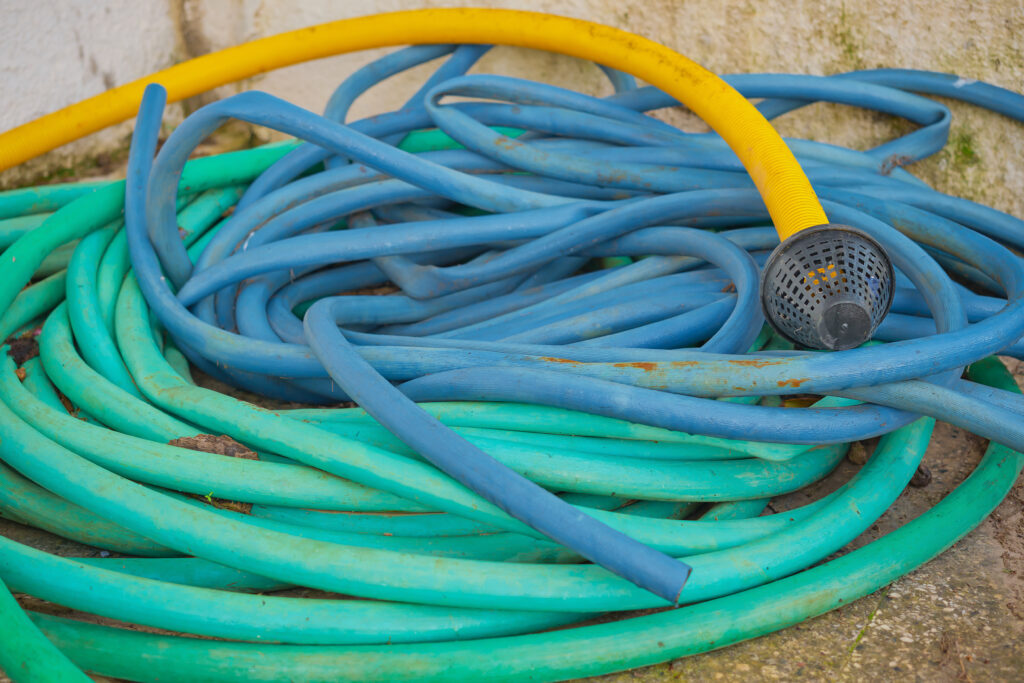
Will two hoses fill a pool faster? Yes, two hoses can fill a pool faster if the plumbing and water supply can deliver additional flow to both hoses. However, the filling time may not be reduced by exactly half because hoses connected to the same water supply often share the available pressure and flow. Monitor […]
What Is The Life Expectancy Of A Tile Pool?
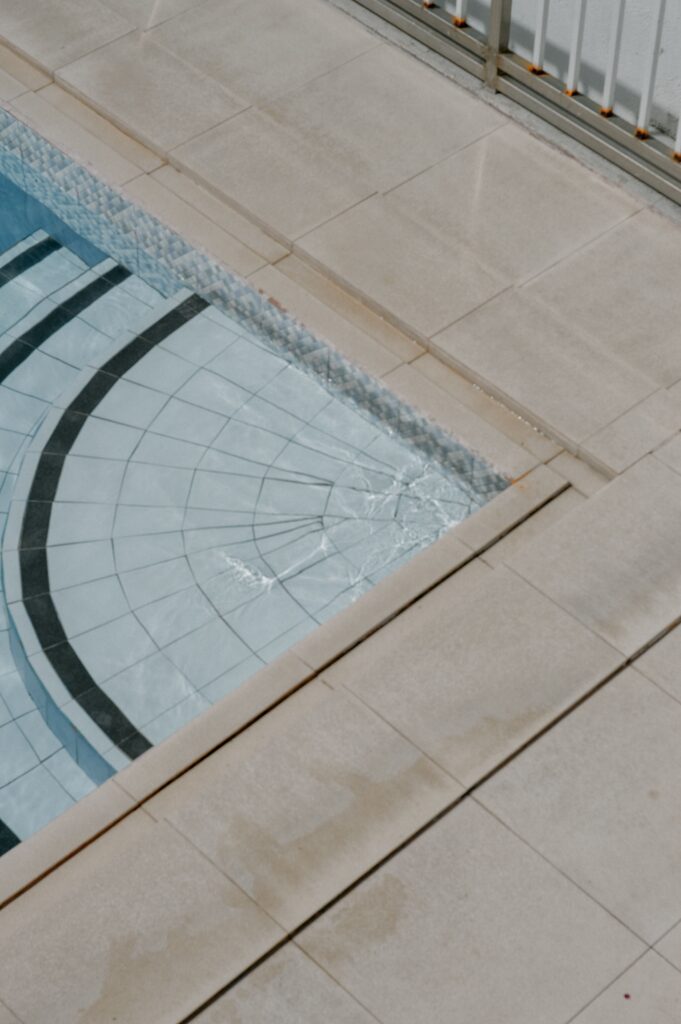
What is the life expectancy of a tile pool? Pool tile can remain serviceable for approximately 10 to 25 years or longer, although its actual life expectancy depends on the tile material, installation quality, water chemistry, calcium scaling, and routine maintenance. Regular cleaning and prompt repairs can help tiled pool surfaces last longer and prevent […]
Why Does The Bottom Of My Pool Get Dirty 2 Days After Vacuuming?
Why does the bottom of my pool get dirty 2 days after vacuuming? The bottom of your pool may become dirty again because fine debris, dead algae, pollen, or other particles are settling after vacuuming. The material may be entering from the surrounding environment, passing through the filter, or bypassing a damaged filter component. Identifying […]
What Happens If You Swim in a Pool With Unbalanced Chemicals?
What Happens If You Swim in a Pool With Unbalanced Chemicals? Swimming in a pool with unbalanced chemicals can irritate your eyes and skin, allow harmful bacteria and parasites to survive, and damage pool equipment. Low sanitizer levels reduce the water’s ability to control contaminants. Before swimming, have the water tested and balanced, especially during […]
What Is the Average Lifespan of a Hayward Pool Pump?
What Is the Average Lifespan of a Hayward Pool Pump? The average lifespan of a Hayward pool pump is about 8 to 12 years. With ideal operating conditions and consistent maintenance, some pumps may last up to 15 years. Actual longevity depends on usage, climate, water chemistry, and routine care, especially in Georgetown, TX, where […]
What Five Items Should Be Checked During Regular Maintenance?
What Five Items Should Be Checked During Regular Maintenance? Five items that regularly scheduled maintenance should check include major home systems, plumbing, gutters, kitchen appliances, and fire and security devices. Staying consistent with these inspections helps identify potential issues early. For homeowners in Georgetown, TX, routine maintenance supports the overall condition and function of the […]
Why Is My Pool Green Even Though the Chlorine Is High?
![Why Is My Pool Green Even Though the Chlorine Is High? A pool can remain green even when chlorine levels are high if the chlorine is not working effectively. Common causes include high pH, excessive cyanuric acid (CYA), elevated phosphate levels that support algae growth, or inadequate filtration. In Georgetown and surrounding communities, identifying the underlying issue is essential to restoring clear pool water. [INSERT YOUTUBE URL HERE] Why a Pool Can Stay Green Despite High Chlorine Levels Seeing a green pool after testing high chlorine levels can be frustrating. While chlorine is designed to sanitize pool water and help control algae, it must be able to work effectively to produce the desired results. If other water chemistry issues or equipment problems are present, chlorine may not be able to eliminate algae, even when test results show that chlorine levels are high. Instead of assuming more chlorine is needed, it is often more helpful to evaluate the overall condition of the pool. Water balance, filtration, and contaminants all play important roles in maintaining clear water. For pool owners in Georgetown, TX and throughout Central Texas, understanding what may be limiting chlorine's effectiveness can help identify the source of persistent green water. Common Reasons Chlorine Is Not Working Effectively Several underlying issues can prevent chlorine from doing its job properly. Identifying the correct cause is important before attempting additional treatments. High pH Levels When pool water has a high pH, chlorine becomes less effective as a sanitizer. Even if chlorine levels appear adequate during testing, the disinfecting power of the chlorine is reduced. As a result, algae may continue growing despite the presence of chlorine. Maintaining balanced water chemistry helps chlorine perform as intended and supports overall water clarity. Excess Cyanuric Acid (CYA) Cyanuric acid, often called a stabilizer or conditioner, helps protect chlorine from being broken down by sunlight. However, excessive CYA can reduce chlorine's ability to sanitize pool water efficiently. When stabilizer levels become too high, chlorine may remain present in the water but become less effective against algae and other contaminants. High Phosphate Levels Phosphates act as a food source for algae. Even with elevated chlorine levels, excessive phosphates can create conditions that encourage algae growth. Reducing phosphate levels while maintaining balanced water chemistry may help improve water quality and make algae easier to control. Inadequate Filtration A pool's filtration system is responsible for removing suspended debris, dead algae, and other contaminants from the water. If the filter is dirty, clogged, undersized, or not operating long enough, algae and particles may continue circulating throughout the pool. Proper filtration works alongside balanced chemistry to help maintain clear water. Why Shock Treatment May Not Solve the Problem Many pool owners assume that shocking the pool is the automatic solution for green water. However, if the underlying issue remains unresolved, shock treatment alone may not clear the pool. For example: High pH can reduce chlorine's effectiveness. Excess cyanuric acid can limit chlorine's sanitizing ability. High phosphate levels can continue feeding algae. Poor filtration can leave algae and debris suspended in the water. In these situations, additional shock treatment may provide only temporary improvement or produce little visible change. Addressing the root cause is typically more effective than repeatedly adding chlorine. Throughout Central Texas, changing weather conditions, heavy pool use, and seasonal debris can all influence water balance, making routine monitoring an important part of pool care. How Balanced Pool Maintenance Helps Prevent Green Water Keeping pool water clear involves more than maintaining chlorine levels alone. Regular maintenance focuses on the entire system to support consistent water quality. Important maintenance practices include: Monitoring chlorine, pH, and stabilizer levels. Inspecting filtration equipment regularly. Cleaning filters as recommended. Removing debris before it affects water quality. Testing water chemistry consistently. When these factors work together, chlorine is better able to perform effectively, reducing the likelihood of persistent algae problems. Pool owners in Georgetown, TX often find that consistent maintenance helps prevent recurring water quality issues before they become more difficult to correct. FAQ Can algae grow even if chlorine levels are high? Yes. If chlorine is less effective because of high pH, excessive cyanuric acid, or other water chemistry issues, algae can continue growing despite elevated chlorine levels. Does high pH affect chlorine performance? Yes. High pH reduces chlorine's sanitizing effectiveness, making it more difficult for chlorine to eliminate algae and maintain clear pool water. Can a dirty filter keep a pool green? Yes. An inefficient or dirty filter may not remove algae and debris effectively, allowing cloudy or green water to persist even when chlorine levels appear adequate. Should I keep adding shock if my pool stays green? Not necessarily. If underlying issues such as water balance, excessive stabilizer, phosphate levels, or filtration problems remain unresolved, additional shock treatment alone may not clear the pool. FAQ: [ FAQ LINK PLACEHOLDER ] Conclusion A green pool with high chlorine levels often indicates that chlorine is not working as effectively as it should. High pH, excessive cyanuric acid, elevated phosphate levels, and inadequate filtration are among the most common causes that can prevent pool water from becoming clear. If your pool continues to stay green despite proper chlorine readings, Pool Doctor of Central Texas provides professional pool services, pool cleaning, pool repair, and pool maintenance throughout Georgetown, TX and the surrounding area. A professional evaluation can help identify the underlying cause and recommend the appropriate solution for restoring clean, clear water.](https://pooldoctorcentraltx.com/wp-content/uploads/2026/08/Why-Is-My-Pool-Green-Even-Though-the-Chlorine-Is-High-1024x718.jpg)
Why Is My Pool Green Even Though the Chlorine Is High? A pool can remain green even when chlorine levels are high if the chlorine is not working effectively. Common causes include high pH, excessive cyanuric acid (CYA), elevated phosphate levels that support algae growth, or inadequate filtration. In Georgetown and surrounding communities, identifying the […]
How Often Should an Inground Pool Be Vacuumed?
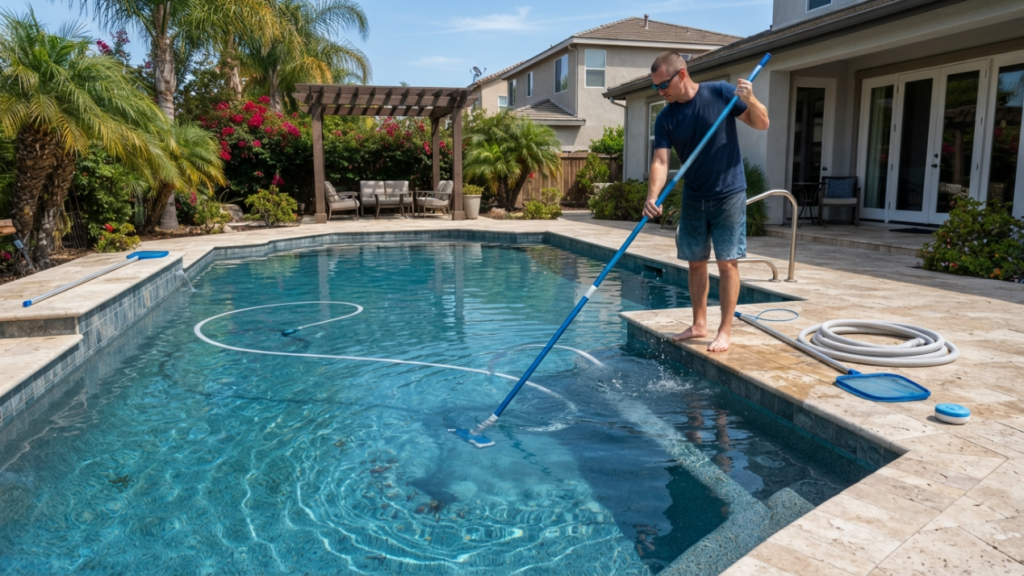
How Often Should an Inground Pool Be Vacuumed? An inground pool should generally be vacuumed at least once a week to remove debris and help maintain clear water. In Georgetown and surrounding communities, pools may need vacuuming two to three times weekly during periods of heavy use, after storms, or when surrounded by trees that […]
Is There Supposed to Be Water in a Pool Pump Basket?
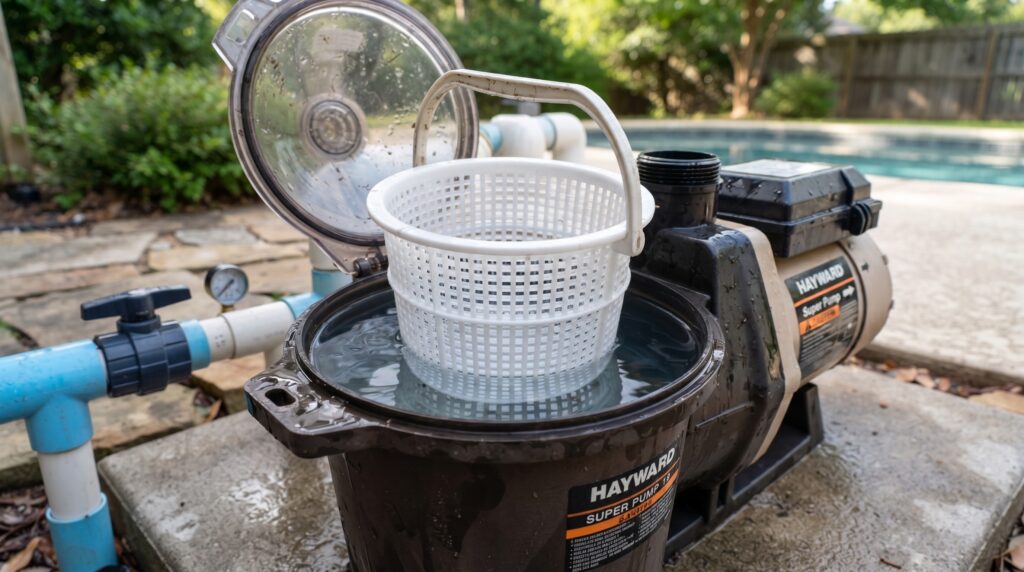
Is There Supposed to Be Water in a Pool Pump Basket? Yes, there should always be water in your pool pump basket to help cool and lubricate the pump while it operates. In Georgetown, TX, a basket that stays empty or loses water when the pump is off may indicate an air leak, low pool […]